
Studies say that fears stop your leadership: reputational concerns and in-house incentives1 min read
Reading Time: 2 minutesReading Time: 2 minutesHBR’s article «Are you afraid of being a leader?» is based on eight independent research projects involving over 2 thousand respondents and published in peer-reviewed journals. All research publications analyzed the barriers to self-identification as a leader, the manifestation of leadership identity, and the ability of leadership skills to smooth negative connections between expected reputational concerns and leader identity endorsement. Earlier research “The dynamics of proactivity at work” has shown that reputational concerns can keep capable people from taking on leadership responsibilities at work. Here are three common reputational fears that prevent people from seeing themselves as leaders:
1. Fear of seeming domineering
2. Fear of seeming different
3. Fear of seeming unqualified
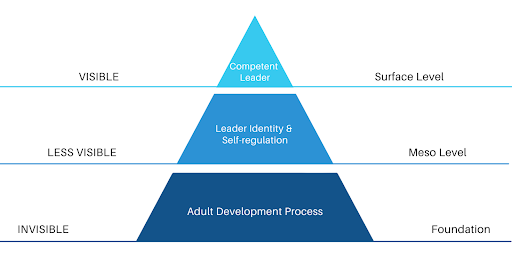
The authors have identified several strategies managers can use to help reduce both the power and negative impact of fears. In the research process, two focus groups listened to a podcast: the first group presented the leadership of risky quality, and the second group identified it as low-risk. In the first group, participants were less likely to act as leaders than in the second group. The experiment suggests that by demonstrating risk-tolerant leadership processes, managers can help employees feel more comfortable as leaders. Self-identification is also significant because, without a sense of leadership, even capable people will find it challenging to take on leadership responsibilities. The person as a leader develops as long as he makes efforts for constant development to achieve higher productivity and performance. Goal-oriented self-regulation processes support leadership development in terms of contributing motivational resources for learning and resilience in and across development experiences (Dragoni et al., 2009).